
Moving to Clayton AL: Essential Tips for New Residents in 2026
Moving to Clayton AL in 2026 appeals to residents seeking a quieter pace, historic character, and strong regional connections. According to U.S. Census Bureau estimates through 2023, Clayton’s population sits in the range of 2,800 to 3,000 people, giving the town a small-scale feel with room to grow. Historic homes near Court Square, pine-lined roads like Alabama Highway 51, and quick access to larger hubs in Barbour County combine to create a setting that balances rural charm with essential services.
What Should New Residents Know About Clayton AL’s Location and Layout?
Clayton stands in central Barbour County along Alabama Highway 239 and Alabama Highway 51, forming an accessible hub between Eufaula and Troy. Travel time to Eufaula averages about 30 to 35 minutes, while Dothan sits roughly 55 miles to the south, based on mapping data from Google Maps. Streets such as Eufaula Avenue, Louisville Street, and Springer Avenue radiate from Court Square, where the historic Barbour County Courthouse anchors downtown. This compact layout simplifies orientation for new residents.
Residential blocks extend outward from the courthouse toward neighborhoods along North Midway Street, South Midway Street, and Old Midway Road. According to City-Data, typical commute times cluster around 20 to 25 minutes, reflecting jobs spread across Barbour County and nearby towns. The modest grid of local streets, combined with lightly traveled county roads, allows straightforward driving without high-traffic congestion common in metro areas.
Climate also shapes daily life. Based on data from BestPlaces, Clayton experiences around 53 inches of annual rainfall and summer highs in the low 90s Fahrenheit, typical of southeastern Alabama. Mild winter lows generally remain above freezing, often in the upper 30s to low 40s, so snow is rare. This climate supports year-round outdoor activities at nearby Barbour County Public Lake and Blue Springs State Park.
How Do Housing Costs and Neighborhood Options Compare in Clayton AL?
Housing costs strongly influence decisions about moving to Clayton AL, particularly for residents comparing the town with larger Alabama markets. According to BestPlaces, Clayton’s overall housing index frequently tracks around 40 to 50 on a national baseline of 100, indicating significantly lower-than-average prices. Entry-level single-family homes in town often list in a broad range from roughly $80,000 to $160,000, based on recent data summarized by Realtor.com.
On quiet evenings near Eufaula Avenue, porch lights glow softly along the older bungalows, and the scent of cut grass drifts from wide side yards. Crickets create a low, steady chorus around homes backing up to North Midway Street, while warm air carries faint sounds from passing trucks on Alabama Highway 51. The cracked brick sidewalks near Court Square and the weathered storefronts around Barbour County Courthouse give the housing stock a lived-in, historic atmosphere that many long-term residents describe as comforting.
Rental options remain more limited than in larger cities but can still fit many budgets. According to surveys compiled by RentData.org, fair market rents in rural southeast Alabama counties often range from around $600 to $900 per month for modest units, depending on bedroom count and property condition. In-town rentals close to Barbour County High School or along Louisville Street may command higher rates due to convenience, while properties along outlying county roads typically trade monthly cost for extra land.
What Are Schools and Education Options Like in Clayton AL?
Families moving to Clayton AL frequently focus on Barbour County schools and educational support systems. Clayton falls within Barbour County Schools, including Barbour County Primary School on State Highway 239, Barbour County Intermediate School, and Barbour County High School on Louisville Street. According to GreatSchools, these campuses serve a small student body by regional standards, with enrollment figures generally in the low hundreds rather than the thousands seen in metropolitan districts.
Such scale often translates into smaller class environments and more personal interaction with teachers and staff. Extracurricular activities at Barbour County High School, including Jaguars athletics and band programs, draw students from across the region. Data compiled by National Center for Education Statistics indicate that student–teacher ratios in rural Alabama districts frequently land in the range of 15 to 18 students per teacher, providing more individualized attention than many large urban systems.
Postsecondary options require regional travel but remain within manageable driving distances. Wallace Community College in Dothan sits roughly 55 miles away, while Troy University’s main campus lies about 45 miles northwest, based on Google Maps routing estimates. Residents often combine local high school coursework with dual-enrollment or technical training in these locations. Public resources such as the Barbour County Library in downtown Clayton supplement formal education with reading programs, computer access, and community events.
How Do Daily Life, Shopping, and Healthcare Work in Clayton AL?
Moving to Clayton AL often means adapting to a daily routine organized around a compact commercial core. Essential errands center on businesses like Piggly Wiggly on Eufaula Avenue, local convenience stores along Alabama Highway 51, and fast-food options including Subway on Highway 239. According to cost-of-living data from BestPlaces, groceries and everyday goods in Clayton generally price between 10% and 15% below the national average, though selection can be narrower than in larger retail corridors.
Stepping into Courthouse Cafe off Court Square at lunchtime, the smell of frying catfish and cornbread fills the narrow room, while ceiling fans push warm air around the wooden booths. Conversations from courthouse staff and Barbour County road crews blend with the clink of silverware and the hiss of the flat-top grill. Outside, sunlight bounces off the pale stone of Barbour County Courthouse, and passing pickups rumble slowly along North Midway Street, reinforcing the town’s unhurried midday rhythm.
Healthcare access relies on a network of nearby facilities rather than a large hospital inside town limits. Clayton hosts small clinics and primary-care offices, while more complex services route to Medical Center Barbour in Eufaula, roughly 25 miles away, and Southeast Health in Dothan, about 55 miles away, according to driving distances listed by Medical Center Barbour. Emergency response typically coordinates through Barbour County EMS, with backup from regional hospitals, giving residents a layered approach to care.
What Lifestyle, Recreation, and Community Events Define Clayton AL?
Recreation in Clayton centers on outdoor spaces, regional parks, and community gatherings. Blue Springs State Park, approximately 18 miles away in nearby Blue Springs, offers a spring-fed swimming area that stays around 68 degrees year-round, according to Alabama State Parks. Barbour County Public Lake, west of town off Alabama Highway 51, provides fishing, picnicking, and small-boat access. Within Clayton, the Clayton Recreation Center and athletic fields off State Highway 239 host youth sports and adult leagues.
Community life frequently orbits around local churches and courthouse-area events. Clayton Baptist Church on South Midway Street, First Missionary Baptist Church on Louisville Street, and several smaller congregations organize seasonal festivals, youth activities, and charity drives. Barbour County Fairgrounds near Eufaula Avenue and local celebrations on Court Square give residents recurring opportunities for connection. Crime data summarized by NeighborhoodScout indicate small-town crime rates that often trend below those of large urban centers, reflecting close-knit social networks and strong informal oversight.
Cultural amenities extend to regional attractions accessible by short drives. The historic district in Eufaula, about 30 miles away, showcases antebellum homes along North Eufaula Avenue, while Lake Eufaula offers boating and fishing opportunities that draw visitors from multiple states. Further afield, the Wiregrass Museum of Art in Dothan and the Troy University Arboretum add museum and nature experiences to the mix. Together, these options support a lifestyle that mixes quiet evenings in Clayton with day trips across southeast Alabama.
The population range of 2,800 to 3,000 cited at the start of this guide reflects a town size where changes in housing, education, and services quickly affect daily life. That same figure from the opening underscores how community decisions in Clayton AL remain visible and personal rather than abstract statistics. The Alabama Association of REALTORS market reports provide a consistent statewide context for understanding how local listings and prices compare. Residents who monitor new listings, register alert tools through brokerage sites, and schedule in-person tours within 48 hours of interesting properties before the spring selling surge in April often secure better pricing and more favorable terms, while those who delay decisions until late summer regularly confront tighter inventory and heightened competition.
FROM OUR BLOG
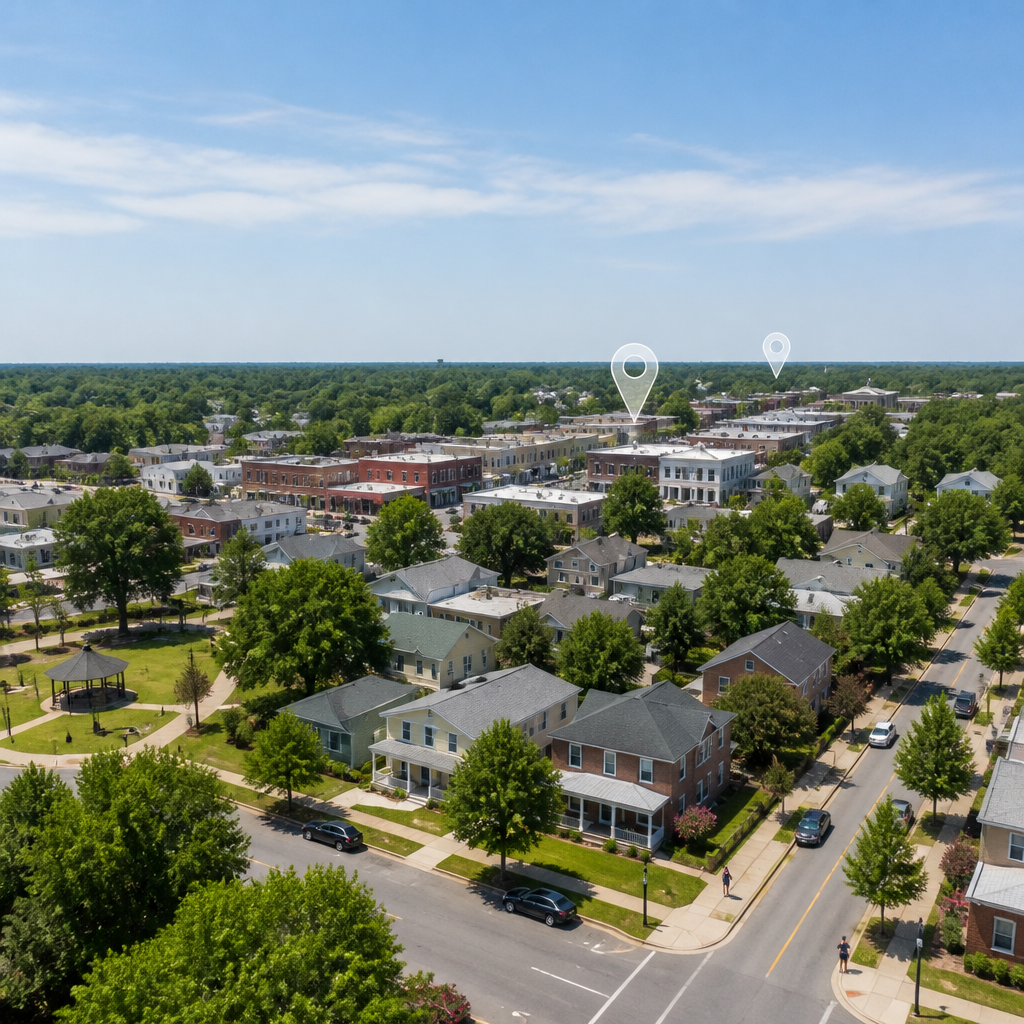
Douglas GA Real Estate Market Update: Trends to Watch in 2026
Douglas GA Real Estate Market Update: Trends to Watch in 2026 The Douglas GA real estate market in 2026 reflects the growth of a regional hub that still maintains small-city scale. According to the U.S. Census Bureau, Douglas recorded a population of about 11,722 residents in 2020, supporting a hous
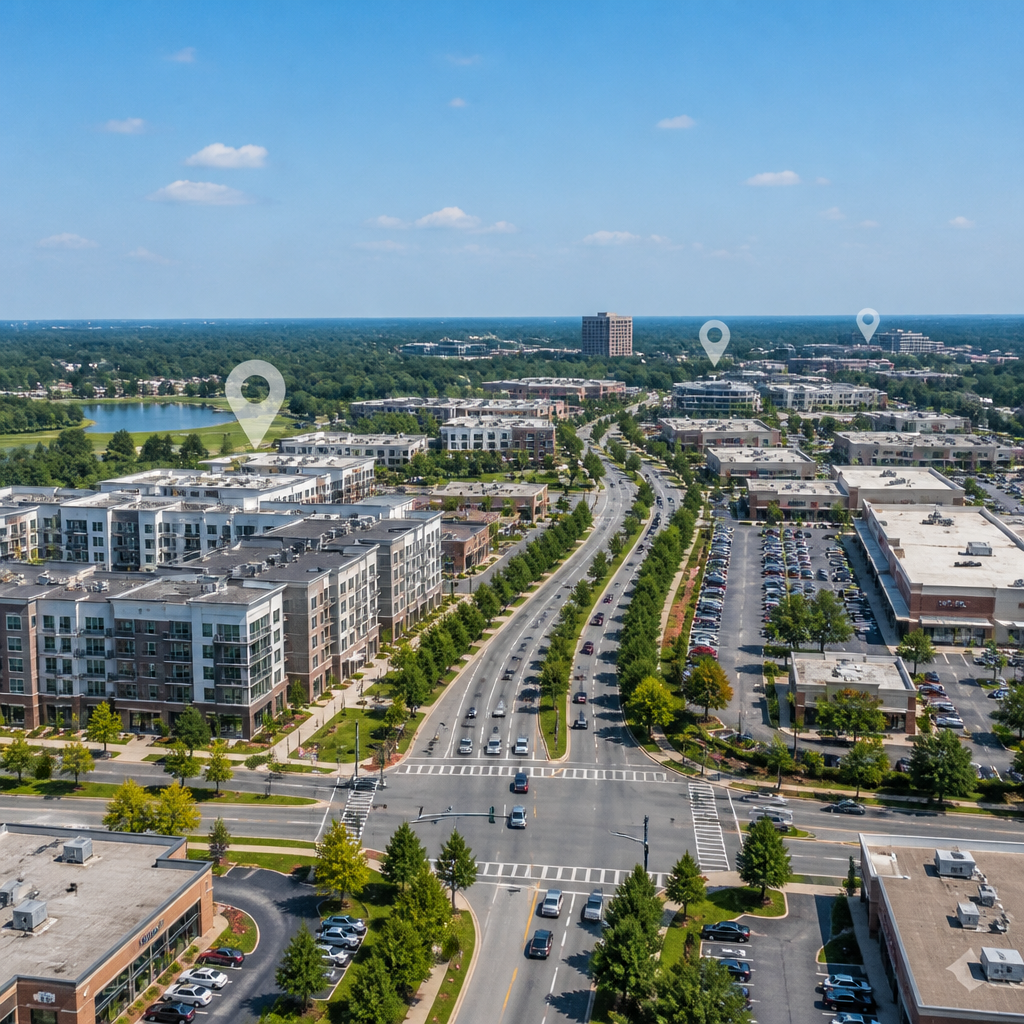
Your Complete Guide to Gwinnett Place Duluth GA: Community Insights for 2026
Your Complete Guide to Gwinnett Place Duluth GA: Community Insights for 2026 The Gwinnett Place Duluth GA neighborhood guide for 2026 centers on a commercial and residential district undergoing steady reinvention. According to Gwinnett Place Community Improvement District, the area includes more tha