
Douglas GA Real Estate Market Update: Trends to Watch in 2026
The Douglas GA real estate market in 2026 reflects the growth of a regional hub that still maintains small-city scale. According to the U.S. Census Bureau, Douglas recorded a population of about 11,722 residents in 2020, supporting a housing base anchored by long-term owners, students, and medical professionals. With General Coffee State Park nearby, South Georgia State College in the city, and U.S. Highway 441 crossing downtown, Douglas combines logistical convenience with a steadily modernizing housing stock.
How Is the Douglas GA real estate market positioned entering 2026?
The Douglas GA real estate market enters 2026 as a regional center for Coffee County employment and services. According to Zillow, typical home values in Douglas cluster in a range from roughly $160,000 to $220,000, based on data through early 2026. That range keeps entry costs below many Georgia metro areas while still showing gradual appreciation. Stable demand from Coffee Regional Medical Center, local manufacturers, and South Georgia State College faculty underpins this base.
Market structure in Douglas remains heavily owner-occupied, with single-family homes along Peterson Avenue, Gaskin Avenue, and East Ward Street dominating the inventory. According to Redfin, Douglas frequently records monthly listings in the low double digits, often fewer than 40 active properties, which tightens options. That modest but consistent supply means sellers often retain leverage, especially for updated homes near downtown amenities like Central Square Complex.
Transaction timelines still favor prepared participants. Based on current summaries by Realtor.com, typical days on market in Douglas often sit in a band between 40 and 70 days, depending on price point and condition. Homes near Douglas Golf and Country Club and around Madison Avenue often sell faster when maintained well and priced near prevailing averages. That pace offers enough time for inspections yet still rewards decisive, data-driven offers.
What buyer demand trends are shaping Douglas GA real estate market activity?
Demand drivers in Douglas increasingly reflect education, healthcare, and logistics. South Georgia State College draws students and staff who often rent near College Park Drive and Madison Avenue. Coffee Regional Medical Center adds steady housing needs from medical professionals seeking homes within a 10- to 15-minute drive. According to the City of Douglas, industrial employers clustered along Bowens Mill Road and the Douglas Municipal Airport corridor continue to support local payrolls that translate into home purchases.
On weekend evenings around Unity Park and the Central Square Complex, café patios fill with the aroma of grilled food from nearby Flyin' Cowboy and the sweetness drifting from Holt's Bakery on Peterson Avenue. Live music from downtown events carries along Ward Street, blending with the hum of traffic on U.S. Highway 221. Streetlights reflect off renovated brick storefronts, and families walk toward the fountain, giving the surrounding blocks a relaxed, lived-in feel that often convinces visiting renters to become long-term residents.
Remote and hybrid workers also influence the Douglas GA real estate market. According to broadband mapping from the Federal Communications Commission, many Douglas census blocks now show high-speed coverage, supporting home offices. That connectivity, combined with housing costs that are often less than half of major metro averages, attracts professionals willing to commute periodically along U.S. Highway 82 or connect through Jacksonville and Atlanta airports. As a result, demand for three-bedroom homes with dedicated office space has strengthened.
How are prices, rents, and affordability evolving in Douglas, GA?
Affordability remains a defining advantage for Douglas compared with statewide averages. According to Redfin, sale prices in Douglas typically fall in a band between roughly $150,000 and $250,000 as of early 2026, depending on age, condition, and location. That range places many homes within reach of buyers using FHA financing, which permits minimum down payments of about 3.5%. Combined with Georgia’s relatively moderate property tax structures, that dynamic keeps total ownership costs competitive.
Rental housing remains critical for students and early-career workers. Based on current listings tracked by Realtor.com, advertised apartments and small homes often list between roughly $800 and $1,200 per month, particularly near South Georgia State College and along College Avenue. That pricing supports a rent-to-income ratio under the commonly cited 30% threshold for many households, especially for those sharing units. Landlords with well-maintained properties near General Coffee State Park and Eastside Park see consistent occupancy.
Affordability also extends to ownership costs beyond mortgage payments. According to county-level data summarized by the Lincoln Institute of Land Policy, many Georgia counties carry effective property tax rates in a band around 0.8% to 1.2% of assessed value. Homes in Douglas priced near $200,000 therefore often generate annual property tax bills in the approximate range of $1,600 to $2,400, a meaningful advantage relative to higher-tax regions competing for the same remote workers.
Which neighborhoods and corridors in Douglas, GA stand out for 2026 investment?
Several Douglas corridors present distinct investment profiles heading into 2026. Properties along Peterson Avenue, within about 1 mile of downtown, offer walkable access to Central Square Complex, Unity Park, and coffee shops clustered near Gaskin Avenue. According to Walk Score, Douglas overall scores in the low 40s for walkability, yet central blocks around Ward Street and Madison Avenue perform better, which supports premium prices for renovated cottages and small multifamily buildings in that zone.
Early mornings near Douglas Golf and Country Club bring soft light over dewy fairways, with the scent of cut grass drifting toward nearby homes on Country Club Drive. Golf carts hum quietly while birds call from pines bordering the course, and sprinklers hiss across greens visible from back patios. That calm, resort-like atmosphere, five to seven minutes from downtown along Gaskin Avenue, often appeals to downsizing households seeking quieter streets and tree-shaded lots without sacrificing access to Coffee Regional Medical Center and local shopping.
School zoning remains a core factor for many buyers. According to GreatSchools, Coffee High School holds a mid-range rating on a 10-point scale, which still attracts households focused on athletics and extracurricular offerings at Jardine Stadium. Nearby, George Washington Carver Freshman Campus and Satilla Elementary serve neighborhoods along Walker Street and Shirley Avenue. Homes within short bus rides of these campuses, especially three- and four-bedroom layouts, often experience stronger resale interest.
What risks and opportunities could define Douglas GA real estate market in 2026?
Like any smaller city, Douglas faces both structural risks and emerging opportunities. One key risk involves concentration of employment in a limited number of industrial and healthcare employers. According to the Douglas-Coffee County Economic Development Authority, several major plants and logistics facilities cluster along U.S. Highway 441 and the Douglas Municipal Airport. Significant cutbacks at even one large employer could lift vacancy rates and slow appreciation, particularly in rental-heavy neighborhoods near industrial corridors.
Infrastructure and amenity investments offer counterbalancing opportunities. The City of Douglas details ongoing improvements at the Central Square Complex, Unity Park, and City of Douglas Aquatic Center, each within roughly 2 miles of the downtown core. Such projects enhance quality-of-life perceptions and support higher valuations for homes along Madison Avenue, North Gaskin Avenue, and East Ward Street. Over a 5- to 10-year horizon, steady amenity upgrades often have outsized impact in cities with fewer than 20,000 residents.
Education infrastructure further shapes long-term value. The Coffee County School System outlines ongoing facility investments at Coffee Middle School and area elementary campuses within Douglas city limits. Homes within short commutes of Coffee High School, Eastside Elementary, and Westside Elementary frequently benefit from those projects as families seek stability. Over time, neighborhood pockets that combine updated schools, renovated housing stock, and convenient access to Bowens Mill Road or U.S. Highway 82 may outperform broader city averages.
The population figure of about 11,722 residents cited at the start of this guide reflects a compact market where even modest shifts in demand can influence pricing. That 11,722 figure from the opening underscores how a relatively small buyer and renter base magnifies the impact of new employers, infrastructure projects, or inventory changes. The Georgia Multiple Listing Service provides one of the most detailed real-time windows into Douglas listings, price reductions, and closed-sale comparables. Buyers who register alerts through regional MLS feeds and commit to touring promising Douglas properties within 48 hours of activation before the spring 2026 listing surge are poised to secure more favorable terms, while those delaying engagement until after that seasonal spike risk facing higher competition and reduced room for negotiation.
FROM OUR BLOG
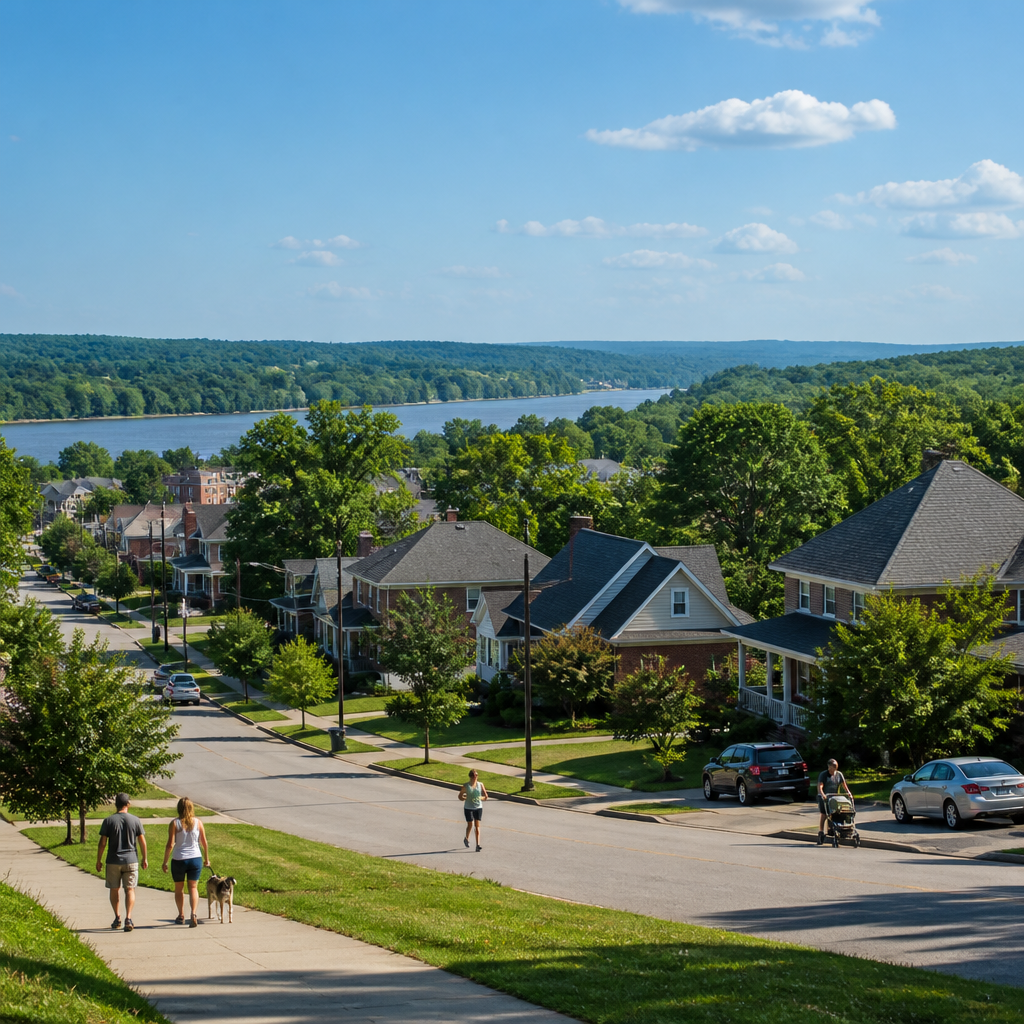
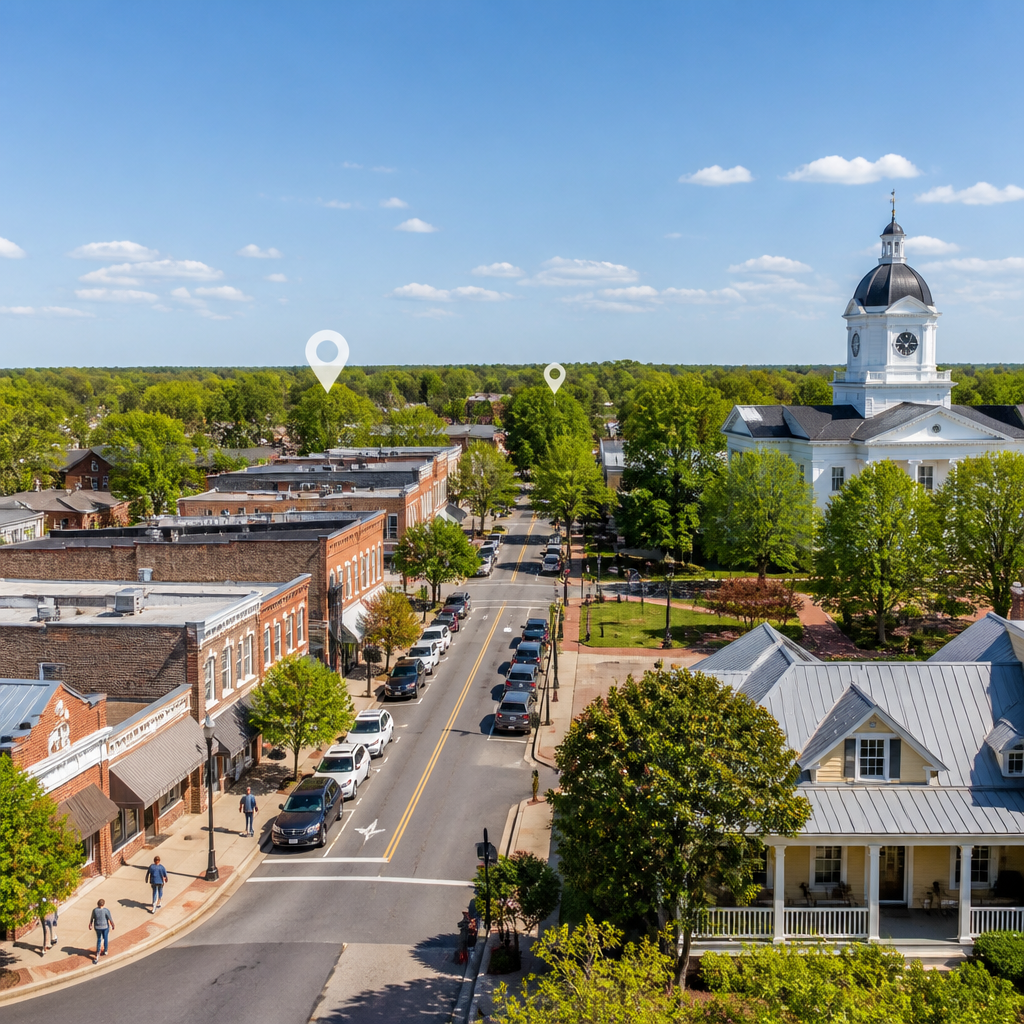
Moving to Clayton AL: Essential Tips for New Residents in 2026
Moving to Clayton AL: Essential Tips for New Residents in 2026 Moving to Clayton AL in 2026 appeals to residents seeking a quieter pace, historic character, and strong regional connections. According to U.S. Census Bureau estimates through 2023, Clayton’s population sits in the range of 2,800 to 3,0
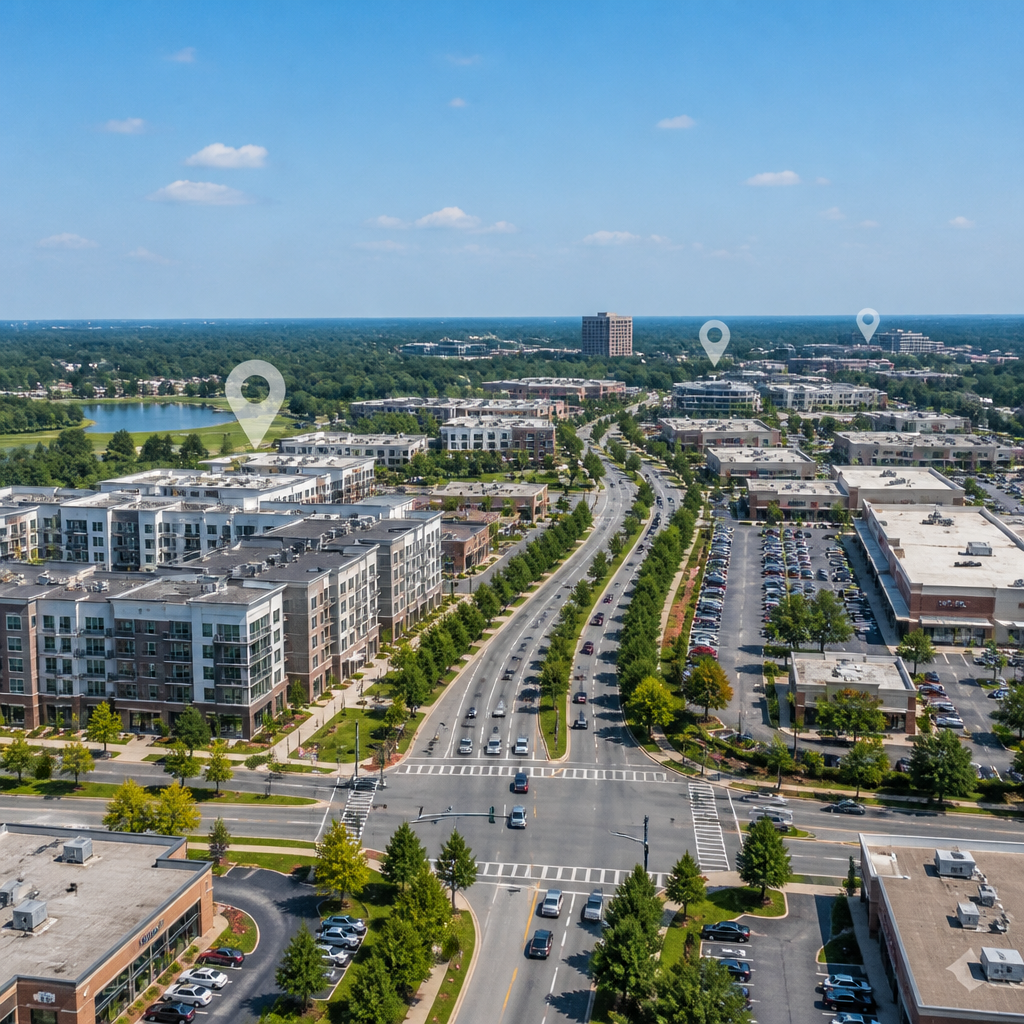
Your Complete Guide to Gwinnett Place Duluth GA: Community Insights for 2026
Your Complete Guide to Gwinnett Place Duluth GA: Community Insights for 2026 The Gwinnett Place Duluth GA neighborhood guide for 2026 centers on a commercial and residential district undergoing steady reinvention. According to Gwinnett Place Community Improvement District, the area includes more tha